Click here to return to home page

William Pankhurst MARSH


William Pankhurst MARSH (1850-1918)

William Pankhurst Marsh was born at 27 York Street in Dover, Kent, on 9th October 1850. He was the son of William Marsh senior (born c1817, Dover), a victualler and tea dealer of Dover. William Marsh senior had married Charlotte Sinclair (born c1819, Kent ) in Dover in 1847. Two of the couple's sons - William Pankhurst Marsh (born 1850, Dover) and Henry Marsh (born c1851, Dover) - both became photographers.

William Pankhurst Marsh trained as a photographer in the famous studio of Sarony & Co. of Scarborough. Oliver Sarony (1820-1879), a Canadian-born photographer, had established a photographic portrait studio in Scarborough, a fashionable seaside resort, in 1857. The studio was a great success and Sarony & Co. employed a large number of photographers, artists and miniature painters at the firm's magnificent business premises at Gainsborough House, Scarborough.

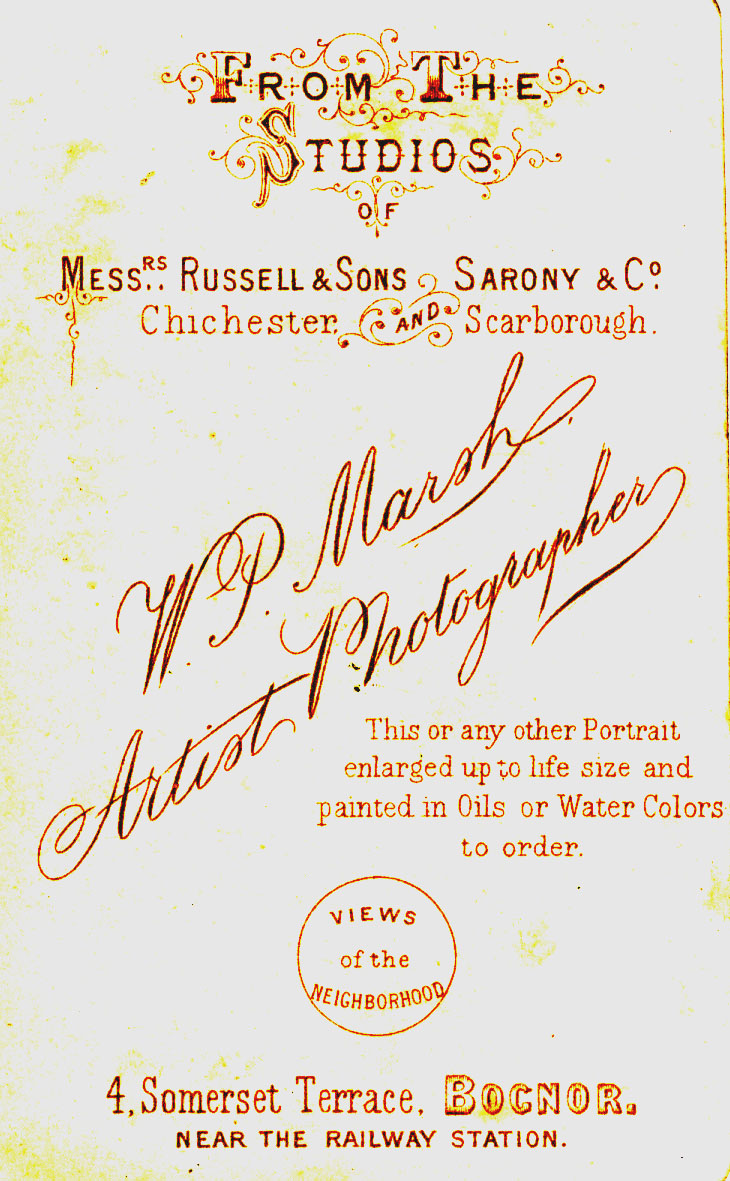
In 1872, William Pankhurst Marsh married Margaret Jane Sinclair (born c1851, Ashford, Kent) in his home town of Dover. William and his wife Margaret settled in Chichester, Sussex, where their first child, Georgina Mary Marsh, was born at the end of 1874. Initially, William Pankhurst Marsh found employment as a photographer with the firm of Russell & Sons of Chichester, but in 1875 he established his own studio in Bognor. Marsh's first studio in Bognor was at No 4 Somerset Terrace in Lyon Street, near Bognor Railway Station. The Somerset Terrace studio had previously been occupied by the photographer Frederick Stone (born c1836, Barnstaple, Devon).

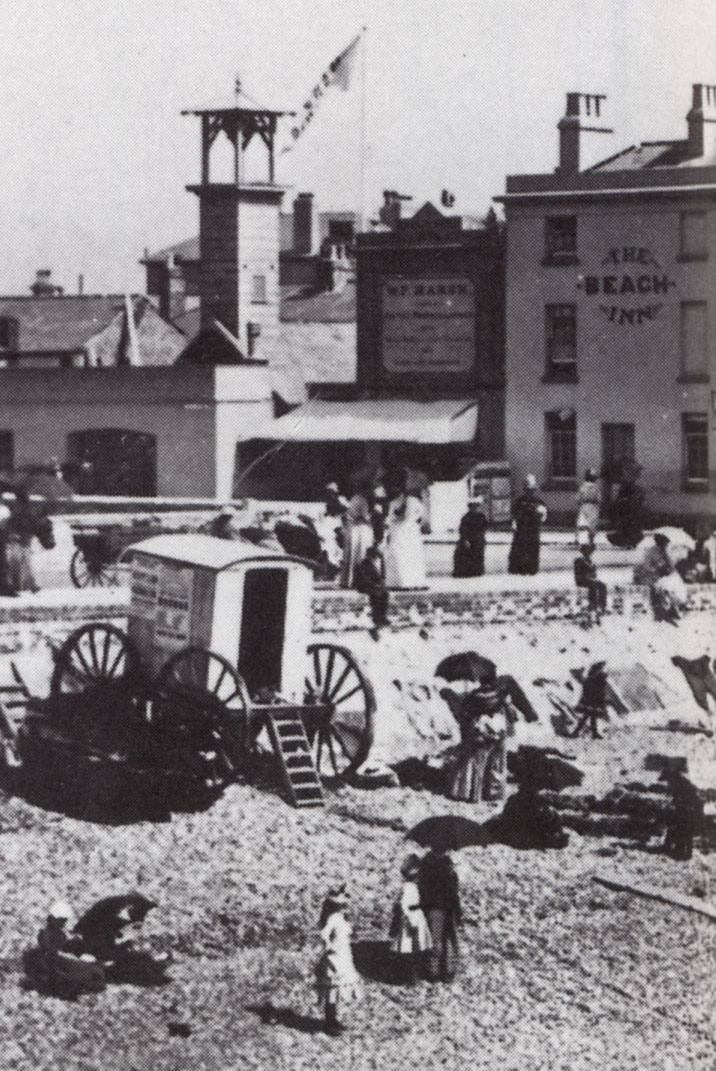
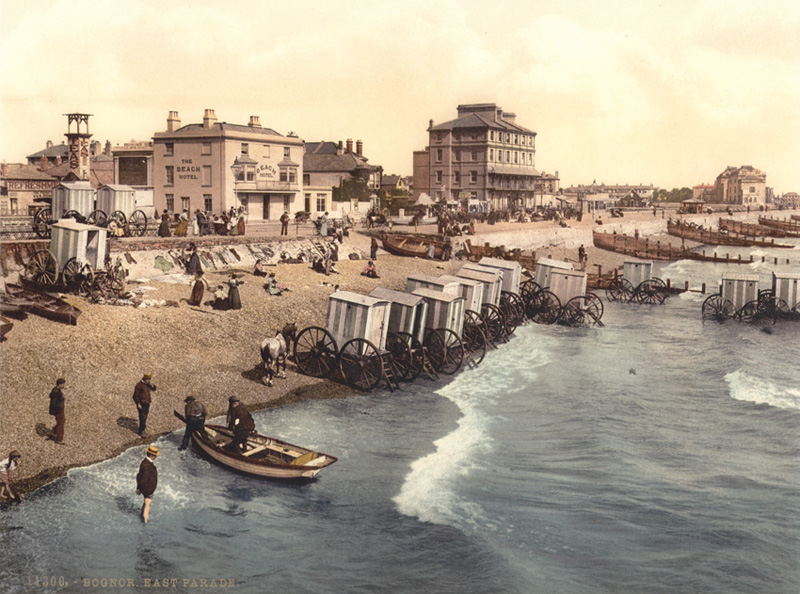
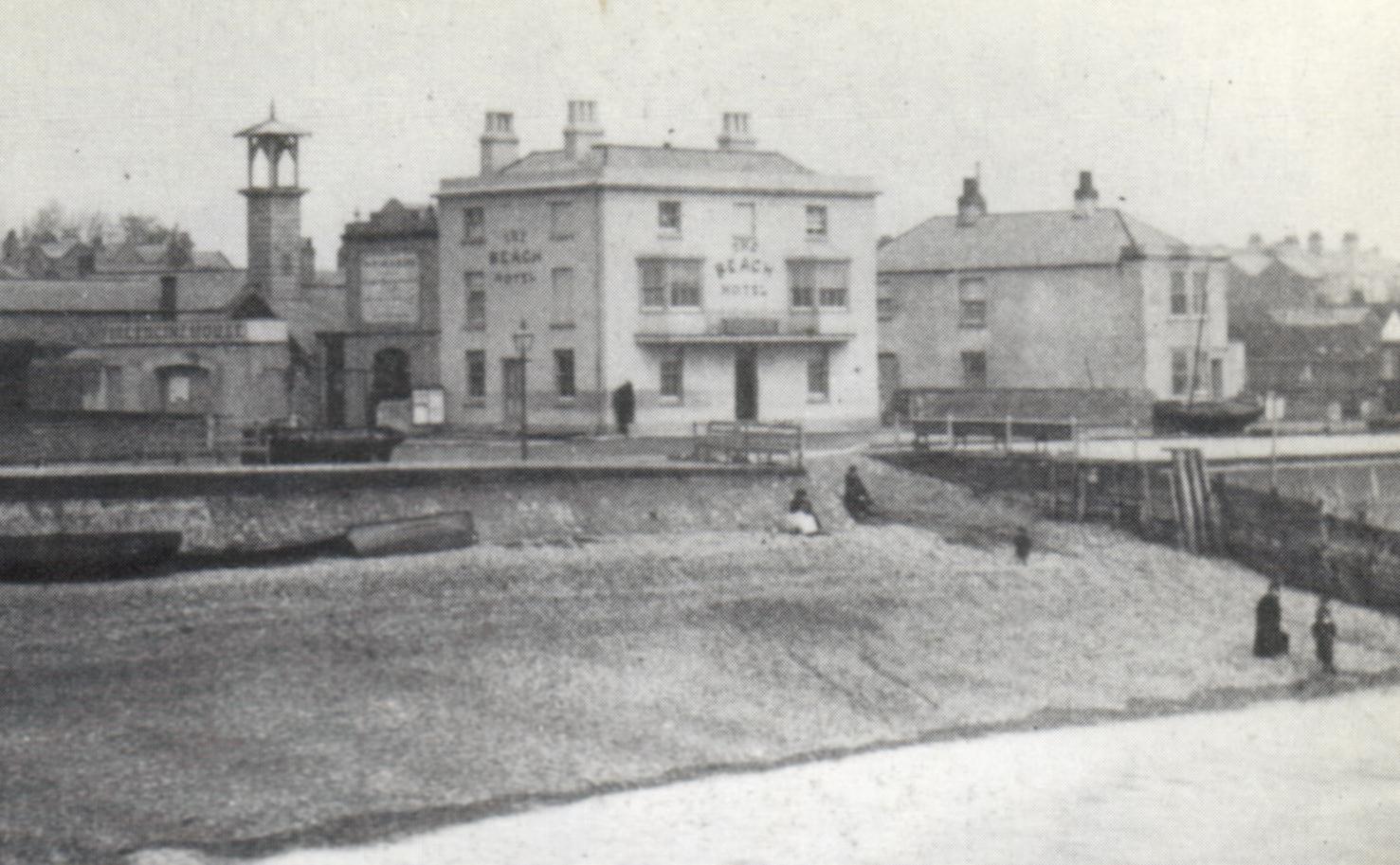
By 1878, W. P. Marsh had moved into a new studio in a prime location on Bognor's seafront. The studio was situated on the eastern side of Waterloo Square, between Bognor's Fire Station and The Beach Hotel, and faced the Pier and a popular stretch of a Bognor's beach. Later that year, William and Margaret's second child, Blanche Annie Marsh was born in Bognor [birth registered in the District of West Hampnett in the December Quarter of 1878].

At the time of the 1881 Census, W. P. Marsh and his family were living near the Waterloo Square studio at Norfolk Cottage, a small house on the Esplanade at the end of Norfolk Street. William P. Marsh is recorded as a "Photographer", aged 30. Also listed in the census return is William's twenty-nine year old wife Margaret and their two daughters - Georgina, aged six, and two year old Blanche. Around 1884, William Marsh became the father of a son - William Lindsley Marsh.

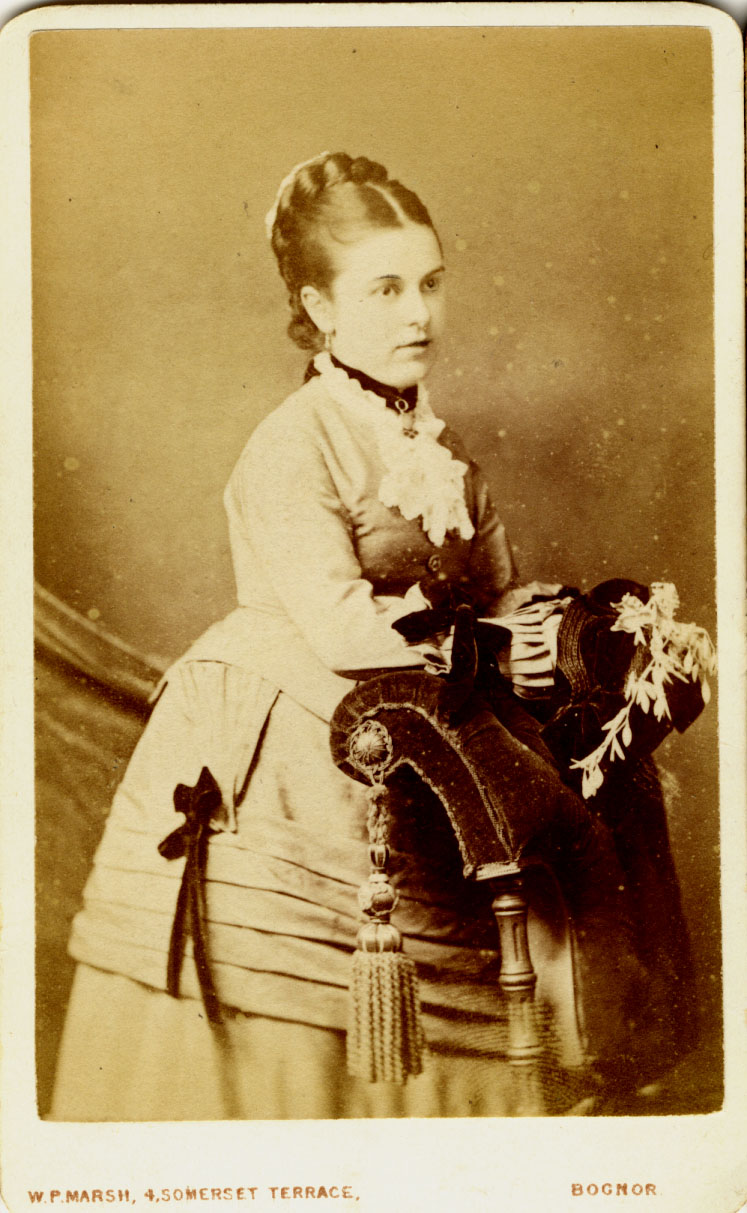
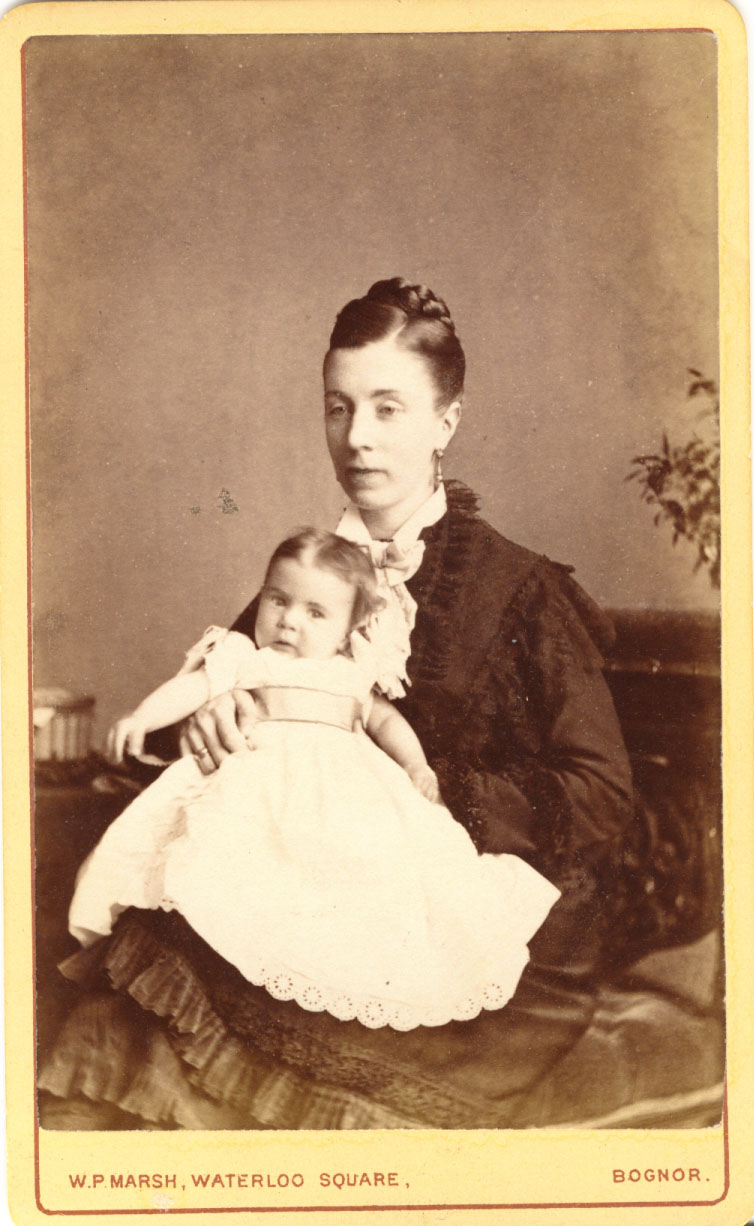
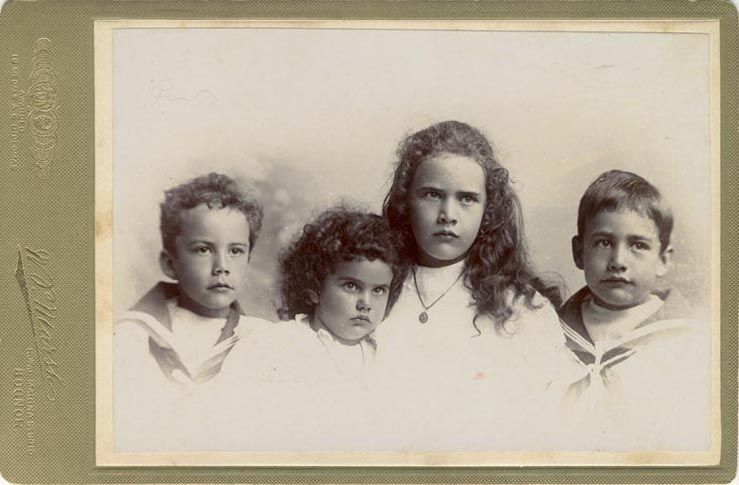
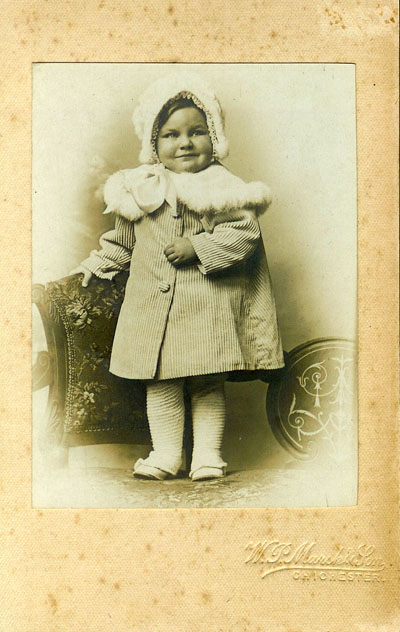
[ABOVE] A carte-de-visite portrait taken at W. P. Marsh's studio  in Waterloo Square, Bognor.
W. P. Marsh's Studio in Waterloo Square, Bognor.
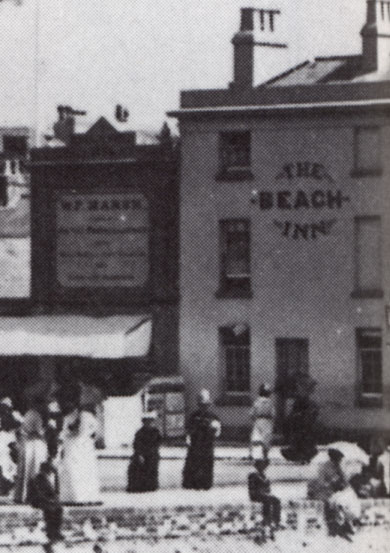
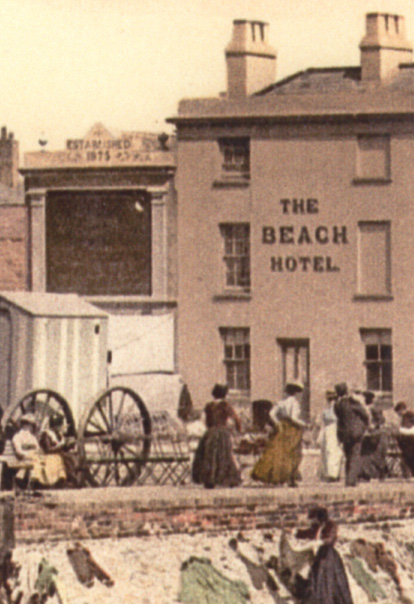
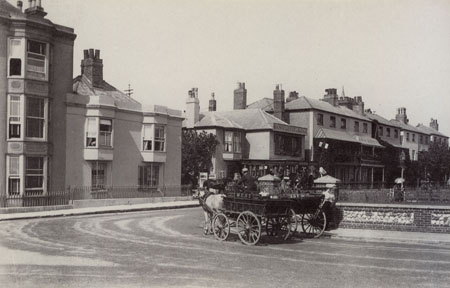
[ABOVE] A photograph of the beach and some of the buildings on the east side of Waterloo Square taken from Bognor Pier in 1883. The building with the tower on the left-hand side of the picture is Bognor's original Fire Station. The large, pale coloured building in the centre of the picture is The Beach Hotel. Between the fire station tower and The Beach Hotel is the studio of  W. P. Marsh with its large square advertising panel. [RIGHT] A photograph of the same three buildings taken around 1890. The Beach Hotel has changed its name to The Beach Inn. [ FAR RIGHT] The advertising panel on Marsh's studio can be seen more clearly in this detail. It reads "W. P. MARSH - ARTIST PHOTOGRAPHER"

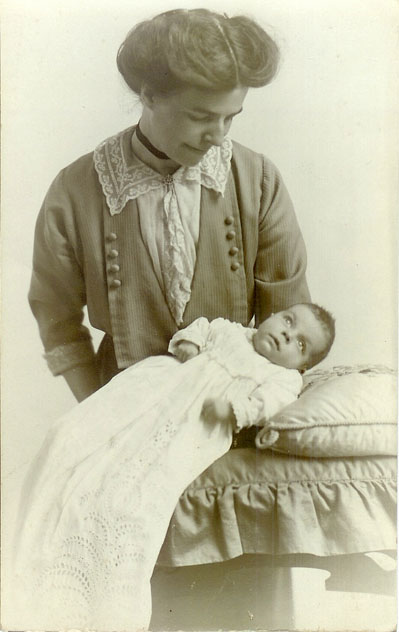
Carte-de-visite Portraits taken at William Pankhurst Marsh's Studios in Bognor

Click here to view more examples of the photographic work of W. P. Marsh of Bognor


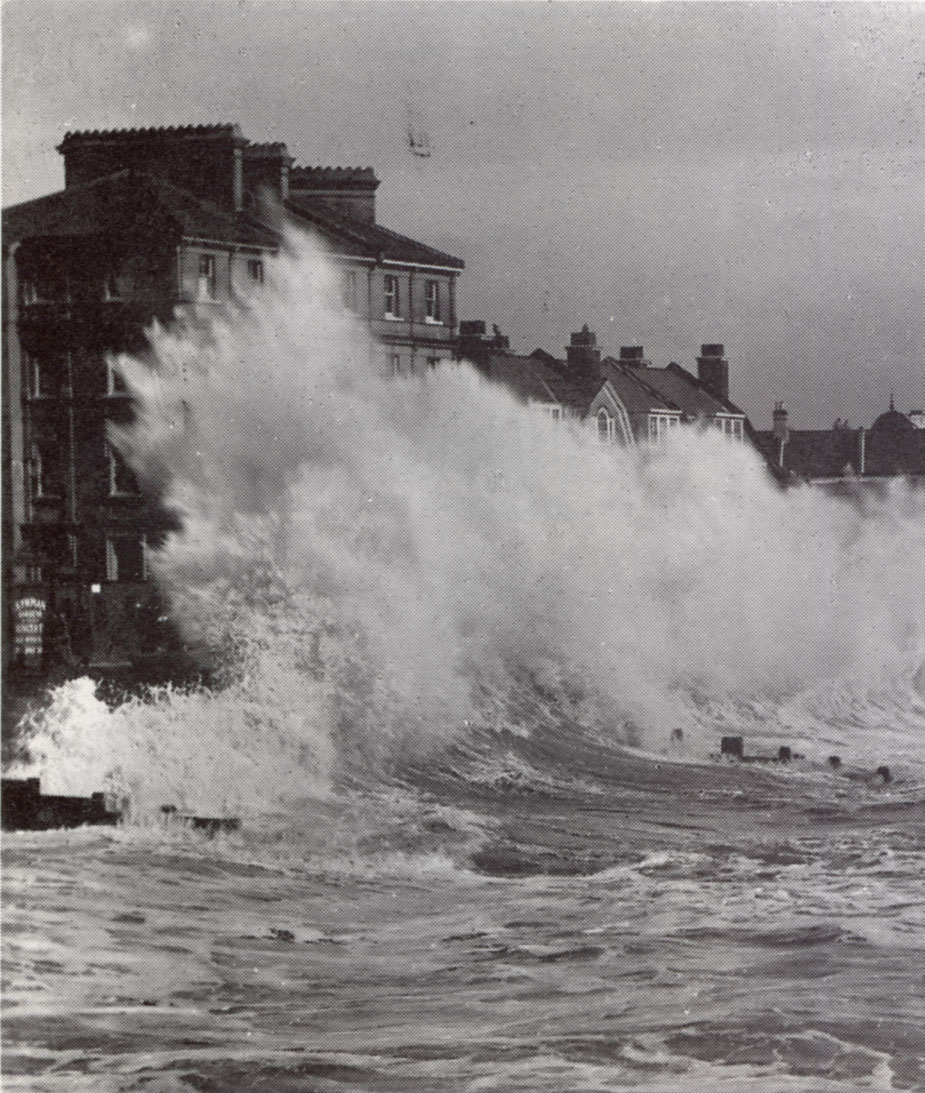
[ABOVE] A photograph of  High Seas at Bognor.

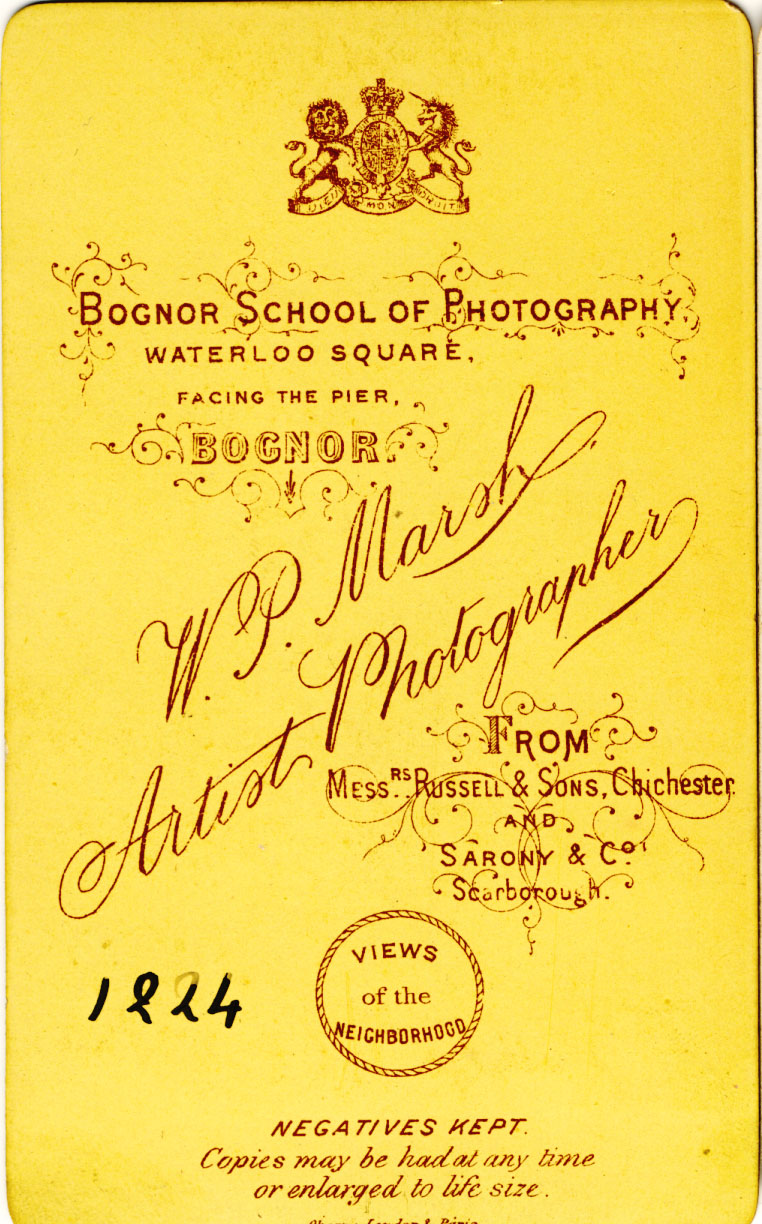
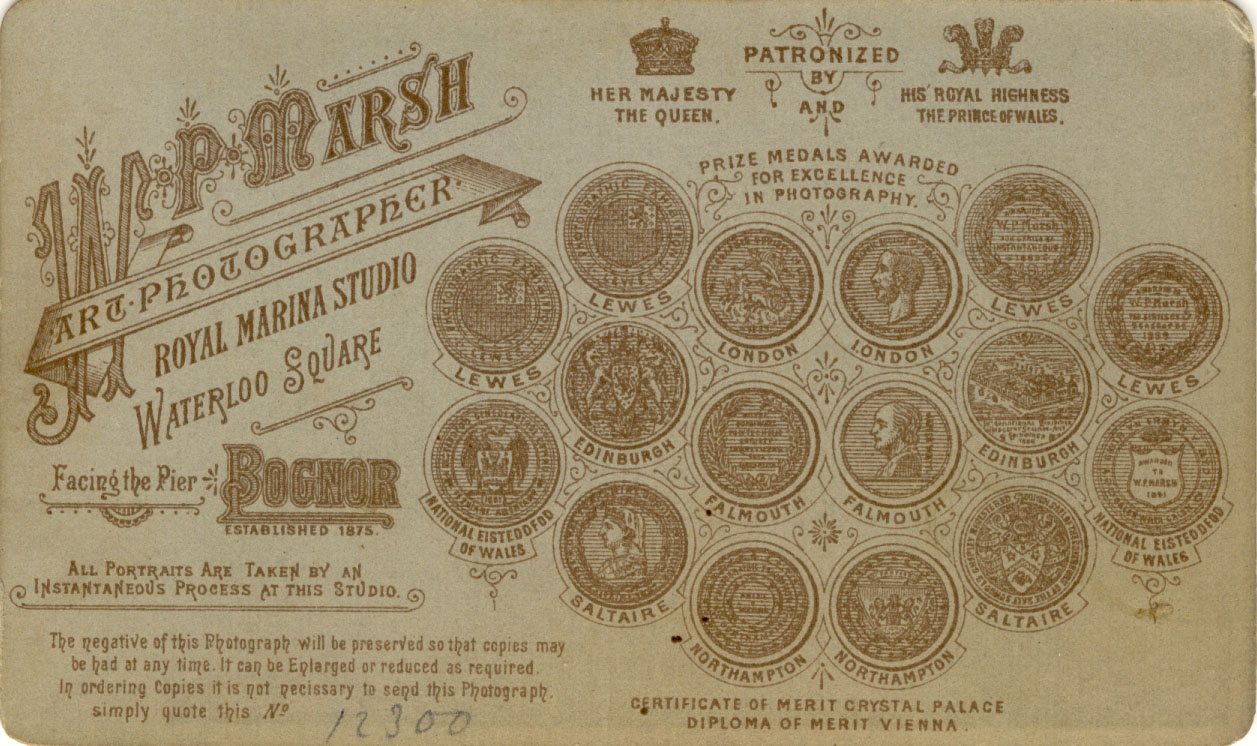
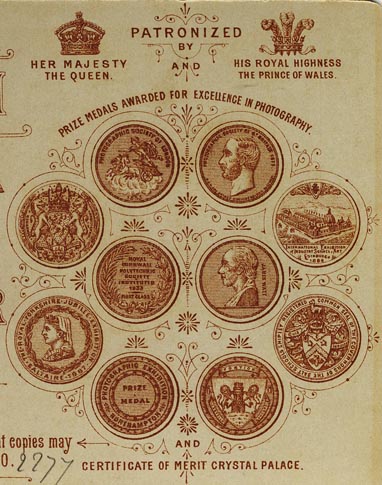
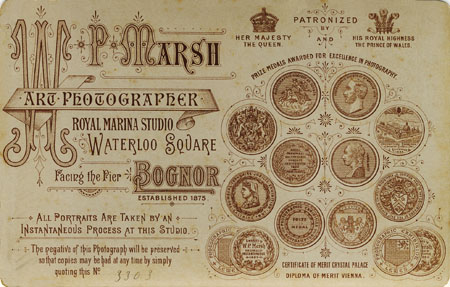
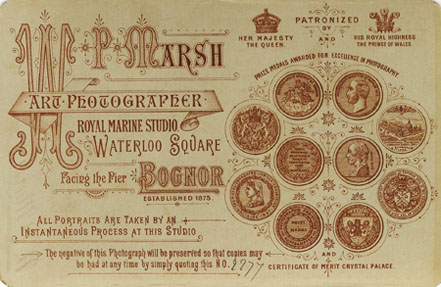
[ABOVE] The design on the back of a carte-de-visite by W. P. Marsh of the  Royal Marina Studio, Waterloo Square, Bognor, which features the many medals he was awarded for "Excellence in Photography".

W. P. Marsh's Sea Studies

William Pankhurst Marsh earned much of his income from taking carte-de-visite portraits at his Bognor studio, but even in the mid 1870s he was producing "Views of the Neighbourhood". With the introduction of the gelatin dry plate process and instantaneous photography around 1880, William Marsh became fascinated with the abillity of the "high speed" dry plate camera to capture the action of "high seas" on the seafront at Bognor. An article in The Practical Photographer observed that " Bognor is noted for its seascape photographs. During stormy weather Mr Marsh is always out on the promenade or pier." W. P. Marsh regularly exhibited his views of "high seas" and crashing waves and various "Sea Studies" at the Annual Exhibitions of the Photographic Society of Great Britain held between 1880 and 1891. Marsh's photographs were shown at various exhibitions at home and abroad. The Photographic News of 21st November, 1884, notes that at the Dublin Exhibition of 1884, promoted by the Photographic Society of Ireland, "Mr W. P. Marsh shows his Sea Studies". In May 1886, Marsh exhibited his sea views at the International Exhibition of Industry, Science and Art in Edinburgh and submitted photographs for the International Exhibition of 1888. When Marsh exhibited his views at the National Photographic Exhibition held in Crystal Palace, he was awarded a Certificate of Merit for "excellence in photography". According to his own publicity, W. P. Marsh had received a Diploma of Merit at an exhibition in Vienna and medals for "Excellence in Photography" at Edinburgh, London, Falmouth, Lewes, Northampton, Saltaire and at the National Eistedfod of Wales. Marsh also exhibited his photographs at the Sixth Annual Exhibition organised by The Photographic Society of Philadelphia at the Pennsylvania Academy of Fine Arts in April 1893. Marsh's last display at a major exhibition took place in London at the Royal Photographic Society's International Exhibition in April 1898.

Marsh's success with his "Sea Studies" at national and international photographic exhibitions led to the reproduction of his work in books and magazines. In 1891, two of Marsh's "seascape photographs" were used as illustrations in the book "The Ocean of Air : Meteorology for Beginners" by Agnes Gilberne and four of Marsh's "studies of rough seas" were reproduced in the Picture Magazine of 1894. The name of W. P. Marsh had now become strongly associated with "sea pictures" and he was now able to market them commercially. In the 1890s, W. P. Marsh was advertising his "Marvellous Instantaneous Photographs of High Seas and Breaking Waves" as enlarged carbon prints, measuring 48 inches by 36 inches. It is reported that when Marsh's large sea studies were first shown in a Bond Street shop window in London, "such large crowds collected that in consequence of the obstruction caused, the police made a complaint ".

Marsh turned his photographs of "high seas" and "giant breakers" at Bognor into lantern slides. On 19th April 1893, the Bognor Observer published the following report:

Last Friday evening a collection of lantern slides by Mr Marsh, most of them scenes along the coast of Bognor, were thrown upon the large screen in the theatre at the Palace before a large audience, a special bi-unial optical lantern being used, and judging by the applause which greeted each picture (especially those of the "High Breakers" and "Prawn Fishermen Ashore and Afloat") the Bognor views were highly appreciated.

With the introduction of the picture postcard in the early 1900s, Marsh was able to re-issue many of his photographic views of "high seas" at Bognor in the format of a holiday souvenir postcard. Marsh also produced postcards featuring views of Bognor and portraits of local personalities, such as Mary Wheatland (1835-1924), the celebrated "Bathing Woman of Bognor."

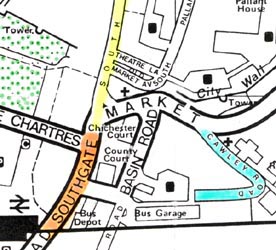
At the time of the 1901 census, William Marsh and his family were residing in the apartments at No 13 Waterloo Square, Bognor. William Marsh is recorded by the census enumerator as a "Photographer (Employer at Home) and his 16 year old son William Marsh junior is described as a "Photographic Assistant ". Not long after the 1901 census, William Marsh's eldest daughter Georgina Mary Marsh married Lionel William Evans (born 1871, Chichester), a twenty-nine year old dental assistant. William Marsh's second daughter, Blanche Annie Marsh, married in Chichester the following year. Around 1905, William P. Marsh moved back to Chichester with his wife and son and set up a studio at 39 Southgate, Chichester. By 1907, William P. Marsh had brought his son William Marsh junior (now in his early twenties) into the business on an equal footing. From around this date the studio at 39 Southgate, Chichester went under the name of W. P. Marsh & Son.
At the end of 1915, William Lindsley Marsh, W. P. Marsh's only son, died from an illness at the age of 31. William Pankhurst Marsh died at his home in Chichester a couple of years later on 18th March 1918 at the age of sixty-seven. W. P. Marsh's widow, Mrs Margaret Jane Marsh, lived on for another thirty years, eventually dying in 1947 at the age of ninety-six.


ACKNOWLEDGEMENTS

I am indebted to the research of Ron Iden of the West Sussex Record Office and in particular Mr. Iden's  article "W. P. Marsh - Artist with a Camera", which first appeared in the Bognor Regis Local History Society's Newsletter No.11 in July 1984.


Click here to return to the Home Page